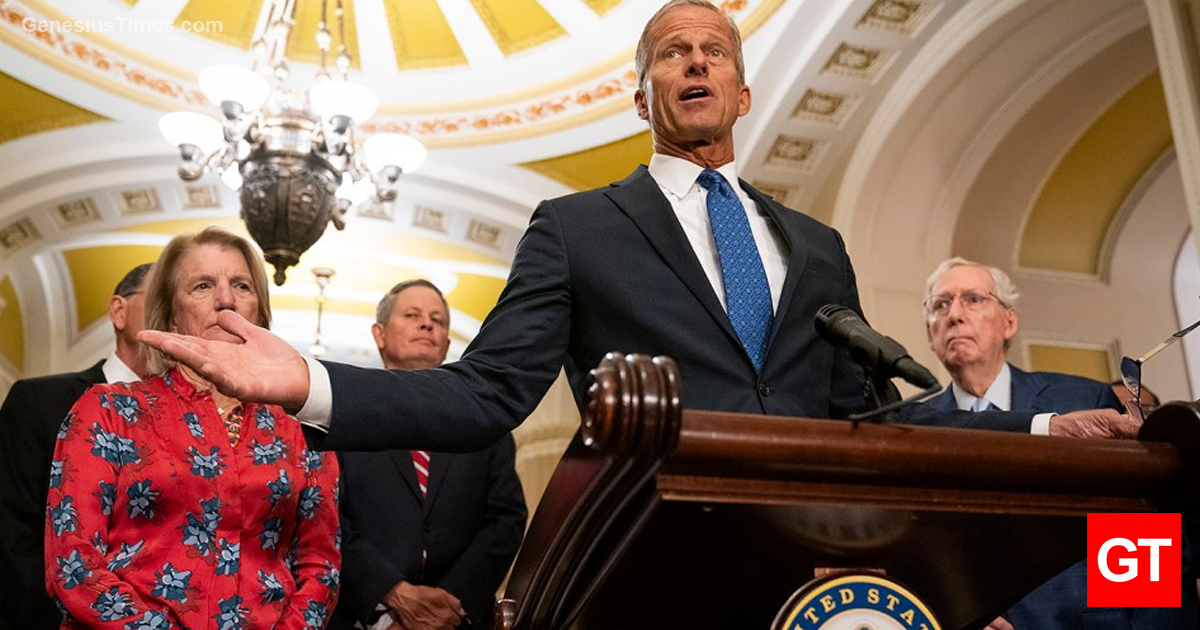
Republican lawmakers in Washington, D.C., have breathed a collective sigh of relief following their party’s loss of congressional power. According to recent reports, many are welcoming the opportunity to revert to a more familiar role: advocating for their agenda without the burden of actually passing legislation.
From Governance to Grievance
One Republican senator succinctly captured the sentiment, stating, ‘We’re excited to get back to talking about the things we believe in.’ This shift allows the party to refocus on key issues like border security, government spending, and inflation—topics they argue were hindered by Democratic control. However, critics point out that these same issues remained unaddressed during the GOP’s previous majority, raising questions about their commitment to action over rhetoric.
The Comfort of Opposition
As one observer noted, ‘Being in the opposition is fun and enriching. Perfect job for people who can't get sht done.’* This perspective highlights a broader strategy: campaigning on grievances rather than accomplishments. With the return to minority status, Republicans can now issue strongly worded statements, hold hearings, and appear on cable news to critique the opposing party—all without the accountability of governing.
A Strategic Retreat?
Some argue this shift is deliberate. ‘They want to campaign, not legislate. They don't want big wins,’ one commenter observed. This approach allows the GOP to maintain its base by promising change while avoiding the complexities of bipartisan governance. As another put it, ‘It's easier to say what you will do than to actually do it.’
The Future of the GOP
Despite the relief, not all Republicans are celebrating. ‘There is no reason to continue to vote for Republicans,’ declared a lifelong supporter, frustrated by what they see as a betrayal of the party’s promises. Others hope this loss will serve as a wake-up call, urging the GOP to ‘do better’ and move beyond blind loyalty to the party label.
As the GOP prepares to release its next list of policy proposals, the question remains: Will this be another cycle of talk without action, or will the party find a way to translate its rhetoric into results? Only time will tell.

